Introduction
Building a retaining wall is no small task, and when it concerns enhancing your property's looks or managing soil erosion, hiring the best retaining wall installer is essential. Whether you're handling a sloped yard, seeking to improve drainage, or merely want to include visual attract your landscape, dealing with seasoned experts can make all the distinction. This guide will stroll you through whatever you need to understand about retaining wall builders, from understanding various materials to selecting the best professional for your project.
Understanding Retaining Walls
What is a Maintaining Wall?
A keeping wall is a structure developed to support soil laterally so that it can be preserved at different levels on either side. These walls are commonly utilized in landscaping and building tasks for numerous functions including:
- Erosion Control: Avoiding soil from eroding due to water runoff. Elevation Changes: Managing modifications in elevation in a backyard or garden. Visual Appeal: Adding aesthetic value through innovative designs.
Types of Retaining Walls
When you consider retaining walls, you might envision concrete structures. However, there are several kinds of keeping walls, each serving special needs:
Gravity Walls - Count on their weight to withstand lateral pressure. Cantilevered Walls - Use an utilize system to enhance stability. Anchored Walls - Use anchors buried in the soil for extra support. Sheet Stack Walls - Often used in waterside locations where space is limited.Choosing the Right Product for Your Retaining Wall
Concrete Sleepers: The Long Lasting Option
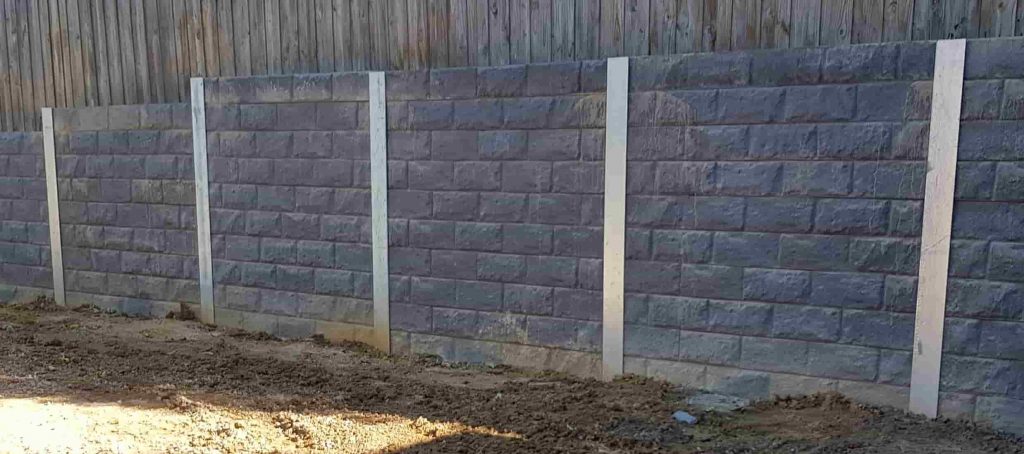
Concrete sleepers are pre-cast systems made of enhanced concrete that use strength and durability. They are perfect for those trying to find low maintenance and longevity.
H Beam: The Structural Support
Using H beams in keeping walls includes substantial structural stability. They work well in taller applications where weight circulation matters.
Wood Sleepers: A Natural Touch
Wood sleepers can supply a rustic look however need regular maintenance due to potential decay over time.
Timber Sleepers: Environment-friendly Choice
Timber sleepers are dealt with wood pieces that can stand up to climate condition but may not last as long as concrete options.
Stone: The Classic Classic
Stone walls have actually been around for centuries and offer a sophisticated look while being exceptionally long lasting against elements.
The Function of a Retaining Wall Contractor
Why Employ a Professional?
It may be appealing to tackle this task yourself, but hiring a professional retaining wall contractor brings know-how that makes sure the task is done right. Here's why:
- Knowledge of regional policies and codes. Access to quality products at better prices. Expertise in design matched for your specific needs.
Questions to Ask Your Contractor
Before hiring a professional, guarantee you ask the right questions:
What experience do you have with maintaining walls? Can you supply referrals or examples of previous work? What materials do you recommend based on my needs? How will you manage drain issues?The Process of Dealing with Retaining Wall Installers
Initial Consultation
During the initial assessment stage, it's vital to discuss your vision and any worry about the professional. This sets clear expectations from the start.
Site Assessment
Your picked specialist needs to carry out a thorough site assessment including evaluating soil condition and existing landscape features.
Designing Your Keeping Wall
Factors Affecting Style Choices
Several elements effect how your keeping http://travisbuilderfxso971.yousher.com/questions-to-consider-when-selecting-a-retaining-wall-installer wall will look:
- Purpose (e.g., practical vs aesthetic). Height limitations based on local codes. Drainage requirements distinct to your property.
Permits and Regulations
Before construction begins, understand regional building codes and guidelines worrying keeping walls. Failing to comply could result in expensive fines or needed removal of work done without permits.
Cost Considerations
Budgeting for Your Project
When budgeting for your retaining wall setup, consider these cost aspects:
Cost Breakdown Table
|Product|Approximated Cost|| -----------------------------|-------------------|| Materials|$30-$150 per sq feet|| Labor|$50-$100 per hour|| Permits|$50-$300|| Extra Landscaping|Differs|
Maintenance Tips for Maintaining Walls
Once your maintaining wall is installed, appropriate upkeep ensures its durability:
Inspect routinely for fractures or signs of erosion. Clean particles from drainage systems. Re-stain wood sleepers every couple of years if applicable.Common Problems with Maintaining Walls
While they serve crucial functions, maintaining walls can experience some typical concerns such as:
- Cracking Bulging Drainage problems Vegetative growth
Addressing these issues early can prevent more substantial damage down the line.
FAQs about Working with Retaining Wall Installers
1. What ought to I try to find when employing a retaining wall installer?
Look for experience, favorable reviews, proper licensing/insurance, and familiarity with regional regulations.
2. For how long does it take to build a maintaining wall?
The timeline differs based upon size and complexity but usually ranges from one day as much as several weeks.
3. Can I install a maintaining wall myself?
While do it yourself setup is possible, it's typically best left to specialists who comprehend intricate elements like drainage.
4. What materials last longest for retaining walls?
Concrete alternatives tend to last longer than wood ranges which may need more maintenance.
5. Do I require permits for building a maintaining wall?
Yes, most locations need permits especially if the wall surpasses particular height limits.
6. How do I pick in between timber sleeper vs concrete sleeper?
Choose lumber if you prefer aesthetics however be prepared for maintenance; go with concrete if toughness is key.
Conclusion
Creating a reliable and appealing retaining wall requires careful preparation and expert execution-- qualities that only skilled specialists can deliver regularly. As described in this guide, comprehending various materials, acknowledging potential concerns before they emerge, and understanding how to work efficiently with your selected specialist will set you on the path toward success. So whether you're eyeing that stunning stone finish or considering robust concrete sleepers-- you're now equipped with all the understanding necessary through A House owner's Guide to Working with Retaining Wall Installers Happy building!